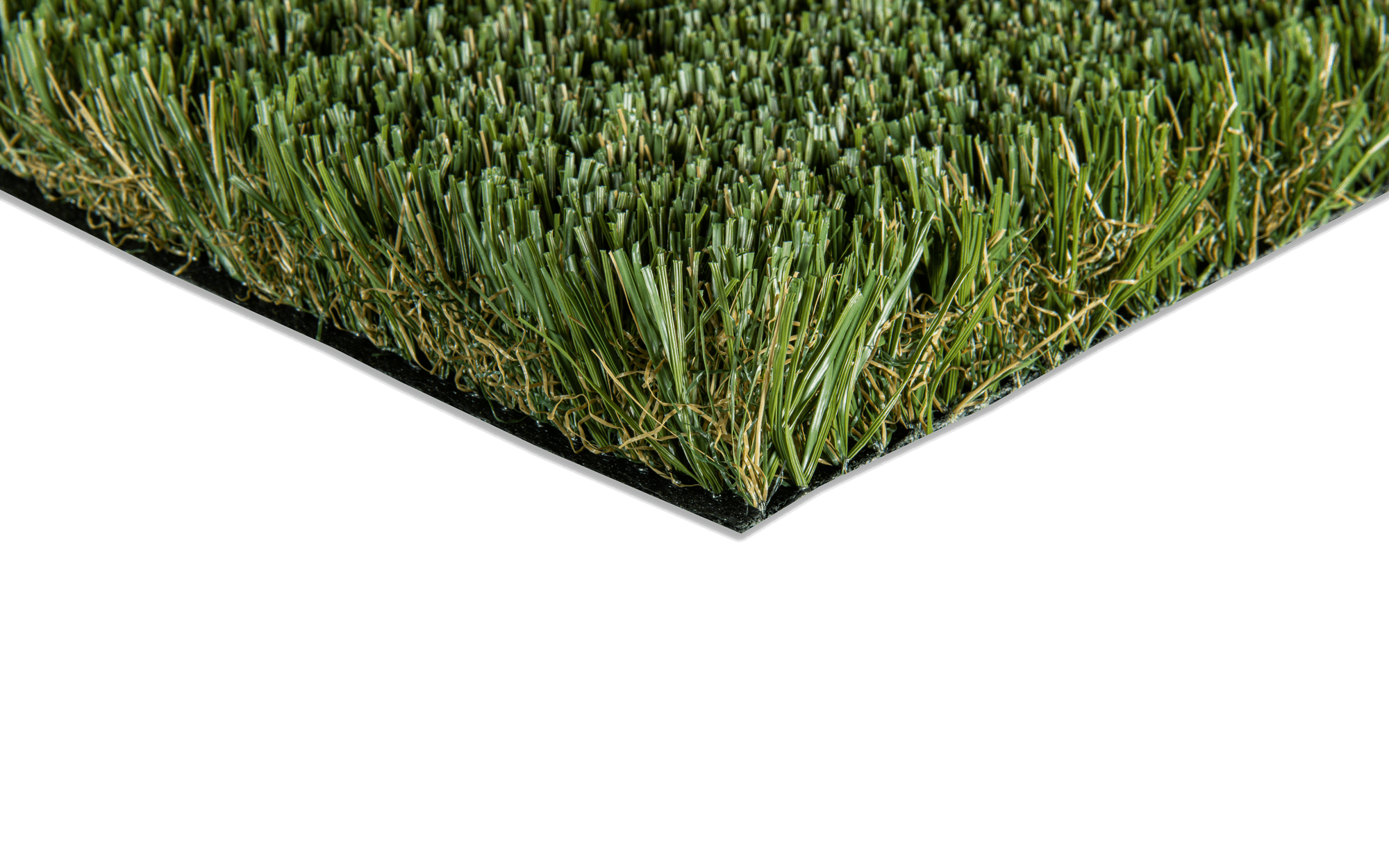
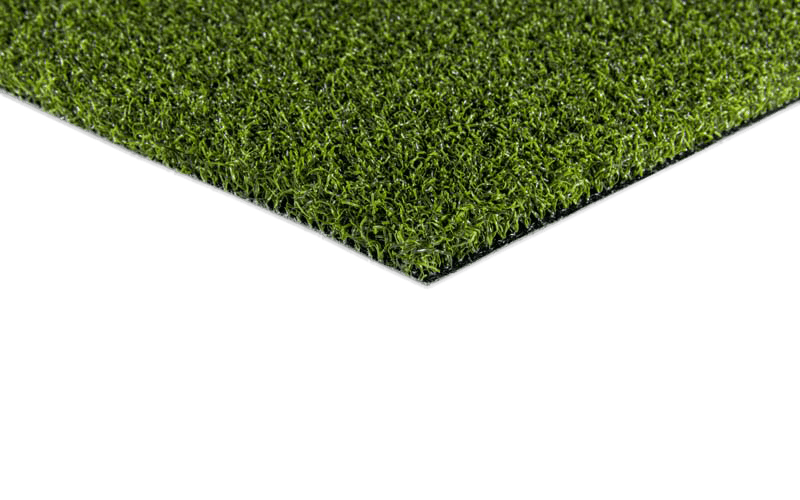
What types of artificial turf does Arizona Turf Depot carry? Arizona Turf Depot stocks nine turf series, including Austin, AZ Blend, Bermuda, Bravo, Fescue, Libra, Pet Turf, Putting Green, and Vista — available for viewing in person at our Peoria and Mesa showrooms.
Can I see turf samples in person before buying? Yes. Both the Peoria and Mesa showrooms carry physical samples of every turf series so you can compare texture, color, and pile height before ordering.
Does Arizona Turf Depot carry turf made in the USA? Yes, our Austin series is American-made, and our broader supply chain relies on U.S.-based manufacturers, which keeps inventory stable regardless of import tariffs or shipping delays.
What’s the difference between Bermuda and Fescue turf? Bermuda mimics the dense, fine-bladed look of natural Bermuda grass common in AZ lawns, while Fescue offers a longer, softer, more lush blade.
Which artificial turf is best for pets? Our artificial turf is built specifically for durability and drainage, resisting odor buildup and standing up to digging, scratching, and heavy paw traffic. With most turfs you should still hose down your turf every so often to rinse any urine and waste away.
Which turf is best for a putting green? Our Putting Green series uses a short, dense pile engineered for a true, consistent ball roll, different from our landscape turf lines, which are built for a natural lawn look rather than performance underfoot.
What’s the difference between Bermuda Series and Fescue Series turf? Bermuda-style skews toward density, durability, and a clipped/manicured appearance; Fescue-style skews toward a taller, softer, more natural-looking blade. The best choice usually comes down to whether the priority is traffic resistance (Bermuda) or a lush, natural look and softness (Fescue).
How much water can you save by switching to artificial turf? Installing synthetic turf can save over 55,000 gallons of water per year on an average 1,000-square-foot lawn compared to natural grass, based on typical Arizona irrigation needs.
What’s the difference between polyethylene and nylon turf? Polyethylene turf, used in series like Austin and Bravo, offers a soft, natural feel suited for lawns and pet areas, while nylon turf is more rigid and heat-resistant.
How do I choose between turf series for a commercial vs. residential project? We recommend that you call our locations, or stop into one of our showrooms, to discuss your project. We’ll be able to answer which series would be best based on higher foot traffic/commercial durability vs. which are optimized for residential aesthetics.
Does face weight or pile height affect turf durability in Arizona? Both face weight and pile height affect artificial turf durability, but face weight generally has a greater impact on long-term performance than pile height alone. Because Arizona experiences intense UV exposure, hot summer temps, and dust storms, selecting the right combination of both is important.